When it comes to choosing the perfect pink floral dress, fabric quality is one of the most important factors that can make or break your outfit. Hi, I’m Petalia, and in this guide, I’ll walk you through how to spot high-quality fabrics in pink floral dresses. From understanding different fabric types to inspecting prints, testing fabric quality, and caring for your dresses, this guide will ensure that you always pick a dress that looks elegant, feels comfortable, and lasts longer. Choosing high-quality fabrics isn’t just about luxury—it’s about comfort, durability, and maintaining a polished look for any occasion.
Understanding Different Fabric Types in Pink Floral Dresses
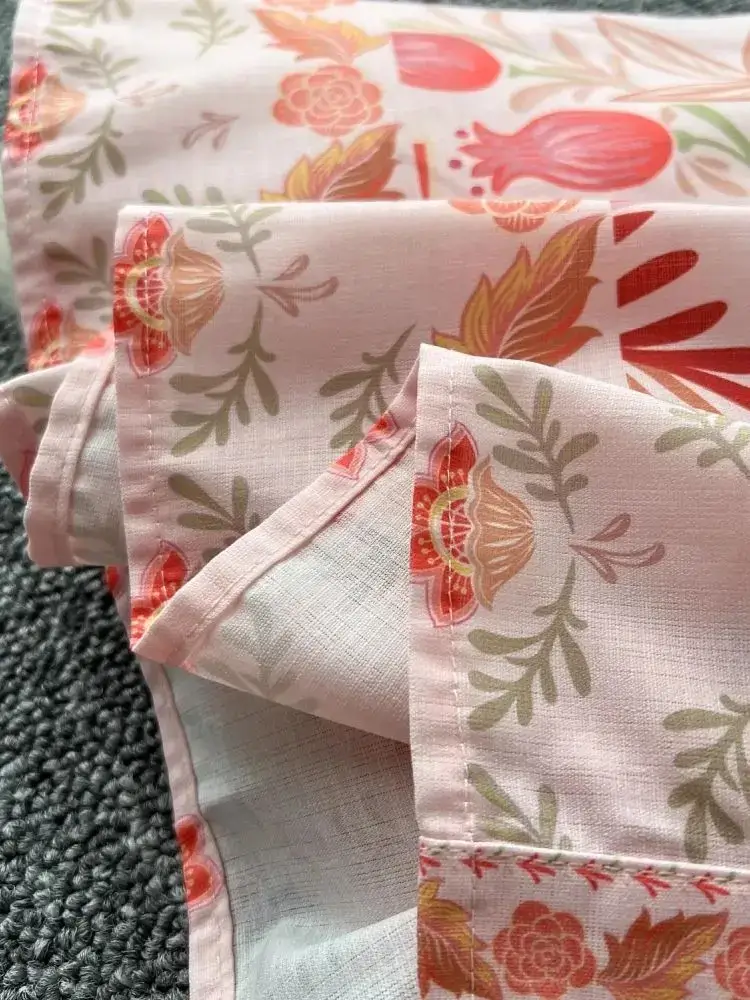
One of the first steps in spotting high-quality fabrics is understanding the various types used in pink floral dresses. Each fabric has unique characteristics that affect how a dress feels, drapes, and lasts.
- Cotton Fabrics: Cotton is a natural, breathable fabric that is soft to touch and ideal for summer and casual dresses. A high-quality cotton dress will feel smooth and durable while maintaining its shape after multiple washes.
- Linen Fabrics: Linen is lightweight and highly breathable, making it perfect for spring and summer outfits. Linen dresses often have a slightly textured look, which adds charm. Look for tightly woven linen with minimal wrinkles to ensure high quality.
- Silk and Satin Fabrics: Silk and satin offer a luxurious feel with a smooth, shiny finish. High-quality silk drapes beautifully, feels soft against the skin, and holds vibrant colors well. Satin can be made from silk or synthetic fibers, so it’s essential to check the fabric content to determine quality.
- Polyester and Synthetic Blends: Polyester is durable, wrinkle-resistant, and often blended with natural fibers for enhanced performance. High-quality polyester fabrics should not feel stiff or plasticky; instead, they should maintain a smooth finish and vibrant color over time.
- Chiffon, Organza, and Tulle: These delicate fabrics are often used for layered, ruffled, or party dresses. High-quality chiffon or organza will feel light, airy, and soft while retaining structure for elegant draping. Tulle should feel soft but durable enough to hold pleats and layers.
Key Indicators of High-Quality Fabrics
Understanding fabric types is only the first step in evaluating a pink floral dress. Equally important is recognizing the subtle characteristics that distinguish high-quality materials from lower-grade alternatives. Several indicators—ranging from texture and weight to durability and color retention—can reveal the craftsmanship and longevity of a fabric.
- Soft Texture and Smooth Finish: High-quality fabrics offer a noticeably soft and smooth hand-feel, often described as “buttery” or “silken” against the skin. In contrast, rough, stiff, or scratchy fabrics typically indicate cheaper production or synthetic blends with minimal refinement. A consistent texture across the entire fabric surface, without irregularities or coarse fibers, is a hallmark of quality craftsmanship.
- Thread Count and Weave: The density and precision of a fabric’s weave are critical indicators of durability and smoothness. Fabrics with high thread count and tight, even stitching tend to resist wear, pilling, and fraying over time. Fine weave construction also contributes to a polished appearance, ensuring that prints and colors lie flat and maintain their clarity, even after repeated use and washing.
- Fabric Weight and Draping: Weight and drape are essential cues for assessing a fabric’s quality. Heavier fabrics, such as premium cotton blends or silk, create a sense of substance and structure while flowing gracefully over the body. Lightweight fabrics, like chiffon or soft organza, should still exhibit a degree of body and resilience, maintaining their shape without appearing flimsy. Fabrics that feel insubstantial or collapse easily often indicate lower-quality production and limited longevity.
- Stretchability and Recovery: High-quality fabrics demonstrate balanced elasticity. When stretched gently, they return smoothly to their original shape without sagging, puckering, or distortion. This property is particularly vital for fitted, pleated, or tailored pink floral dresses, where fabric performance affects both comfort and silhouette integrity.
- Wrinkle Resistance and Color Retention: Resistance to wrinkling and color fading reflects both fabric composition and finishing techniques. Durable fabrics retain their smooth appearance with minimal ironing, while high-quality dyes ensure that vibrant floral patterns remain consistent over time. Colorfast fabrics prevent bleeding during washing, preserving the aesthetic appeal of the dress.
- Luxurious Feel: A luxurious feel does not always equate to a high price tag. Even moderately priced fabrics can achieve a sense of elegance when they combine softness, breathability, and a polished finish. This tactile richness enhances both the wearing experience and the overall perceived value of the dress.
Evaluating fabric quality involves a careful look at tactile, structural, and visual characteristics. Paying attention to these key indicators ensures that the pink floral dress not only looks beautiful but also offers comfort, durability, and a lasting impression.
Inspecting Pink Floral Prints and Patterns
Fabric quality extends beyond texture and durability; it is also reflected in the precision, vibrancy, and execution of floral patterns. In pink floral dresses, the way a print is applied can reveal a lot about craftsmanship, attention to detail, and the dress’s overall longevity.
Pattern Alignment and Symmetry
One of the first signs of high-quality floral fabrics is pattern alignment. Well-made fabrics ensure that motifs are consistent, symmetrical, and properly centered, especially at seams or pleats. Misaligned prints or uneven spacing often indicate rushed production or lower-grade fabric. Attention to pattern continuity not only enhances visual appeal but also reflects superior manufacturing standards.
Vibrancy and Color Quality
High-quality fabrics maintain color intensity even after repeated washes or exposure to sunlight. Vibrant pastel pinks, soft light pinks, and rich hot pinks should appear consistent across the dress, without dull spots or uneven fading. Durable dyeing techniques prevent color bleeding, ensuring that floral patterns retain their intended aesthetic over time. Subtle shading and tonal variations in high-quality prints add depth and sophistication to the design.
Print Type
- Digital Prints: Offer sharp, precise designs with smooth finishes. Colors remain vivid and edges crisp, highlighting the intricacy of floral motifs.
- Screen Prints: May exhibit a slightly raised texture, giving the pattern a tactile dimension. High-quality screen printing ensures even ink application and minimal smudging.
- Embroidered Florals: Represent a premium level of craftsmanship. Embroidery adds texture, durability, and a three-dimensional effect, often seen in high-end or designer pink floral dresses.
The choice of floral print and color intensity often aligns with the dress’s intended use. Pastel pink floral patterns work well for daytime events, garden parties, or casual occasions, offering a soft, elegant look. Hot pink florals and vibrant, bold prints are better suited for evening events, parties, or occasions where making a statement is desirable. Selecting the appropriate print not only enhances aesthetic appeal but also complements the wearer’s overall style.
Simple Fabric Tests to Spot Quality
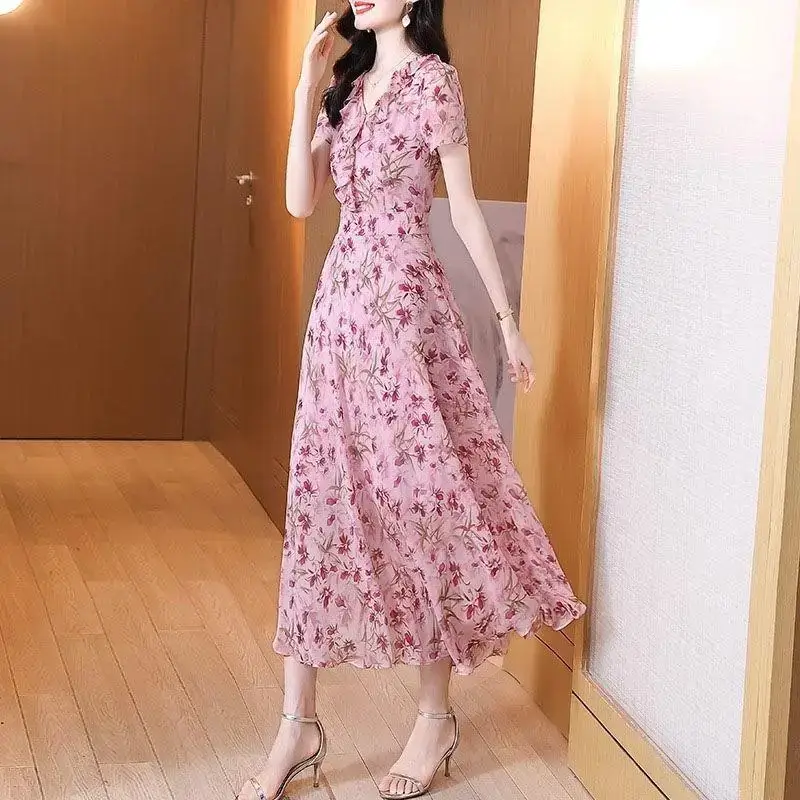
Evaluating a fabric’s quality goes beyond labels and price tags. Even high-end pink floral dresses can vary significantly in feel, durability, and construction. A few simple tests can provide practical insight into the fabric’s authenticity and long-term performance, ensuring the purchase is worth the investment.
- Touch and Feel Test: The first indicator of quality is the fabric’s hand-feel. Gently running fingers across the material should reveal a soft, smooth, and supple texture. High-quality fabrics, whether cotton, silk, or chiffon, feel comfortable against the skin without stiffness or rough patches. Inconsistencies in texture, such as coarse fibers or uneven surfaces, often indicate lower-quality production or poor finishing.
- Draping Test: Hold the dress up and allow it to fall naturally. Superior fabrics drape elegantly, creating smooth folds and fluid movement without sagging or appearing rigid. Fabrics that collapse or cling unnaturally suggest inferior weight or weave, which can compromise both style and longevity. Draping tests are particularly useful for flowing or layered pink floral dresses, where movement contributes significantly to visual appeal.
- Sheerness Test: Holding the fabric up to light can reveal its opacity and weave consistency. Fabrics that are excessively see-through may signal thinner, less durable material, unless transparency is an intentional design choice, such as in overlays or chiffon layers. Even for semi-sheer fabrics, uniform thickness and absence of holes or weak spots indicate higher quality.
- Pull/Stretch Test: Gently stretch the fabric to assess elasticity and recovery. Premium fabrics stretch slightly but return smoothly to their original shape without distorting seams or patterns. This test is particularly important for fitted, pleated, or bodycon pink floral dresses, where fabric performance directly affects fit and silhouette. Poor recovery or sagging fabric is a clear sign of low-quality material.
- Wrinkle Test: Lightly scrunch the fabric to observe how it reacts. High-quality fabrics resist deep creasing and smooth out easily, reflecting strong fiber integrity and thoughtful finishing. Conversely, fabrics that wrinkle easily or retain deep creases may require excessive maintenance and are less durable over time.
- Colorfastness Check: Check color retention by gently rubbing a damp cloth over printed areas. High-quality fabrics maintain vibrant floral patterns without bleeding or fading. Consistent color across folds and seams indicates good dyeing techniques, ensuring the dress remains visually appealing even after multiple wears or washes.
Performing these simple tests—touch, drape, sheerness, stretch, wrinkle, and colorfastness—provides a reliable assessment of a pink floral dress’s fabric quality. These practical checks help identify fabrics that are not only beautiful but also durable, comfortable, and worth the investment.
How Dress Style Affects Fabric Choice?
Selecting the right fabric goes hand in hand with the dress’s style and silhouette. The interplay between fabric properties—such as weight, drape, and stretch—and design elements determines not only comfort but also how well the dress maintains its intended shape and visual appeal. Understanding this relationship helps ensure that each pink floral dress looks elegant and feels comfortable when worn.
Fitted vs. Flowing Dresses
Fitted dresses, such as bodycon or tailored pink floral designs, require fabrics with slight stretch and inherent structure. These materials allow the dress to hug the body without restricting movement or losing shape. In contrast, flowing dresses—including A-line, maxi, or layered styles—benefit from lightweight, drapey fabrics such as chiffon, silk blends, or soft satin. These materials enhance fluid movement, creating a graceful silhouette and adding a sense of effortless elegance.
A-Line, Maxi, Midi, Mini, Ruffled, Pleated, and Layered Dresses
- A-Line Dresses: Best paired with structured fabrics like cotton or linen, which hold their shape while offering casual comfort and a polished look.
- Maxi Dresses: Lightweight fabrics such as chiffon, satin, or silk allow for elegant draping and a flowing, ethereal effect that flatters a variety of body types.
- Midi and Mini Dresses: Medium-weight fabrics provide balance between structure and movement, ensuring that hemlines maintain their form.
- Ruffled or Pleated Dresses: Fabrics like tulle, organza, or silk blends hold pleats and ruffles effectively, adding volume and visual texture without collapsing.
- Layered Dresses: Combining softness and durability, silk blends or high-quality chiffon support multiple layers without causing bulk or discomfort, preserving both look and wearability.
Balancing Comfort and Design
The correct fabric choice enhances both comfort and style. Structured materials prevent sagging or distortion in fitted designs, while lightweight, flowing fabrics accentuate movement and fluidity in layered or loose-fitting dresses. Matching fabric to silhouette ensures that the dress performs as intended while maintaining its aesthetic appeal over time.
The interaction between dress style and fabric selection is essential for achieving both elegance and durability. By considering factors such as stretch, drape, and structure, it is possible to select pink floral fabrics that complement the design, enhance comfort, and maintain long-lasting wearability.
Care and Maintenance of High-Quality Fabrics
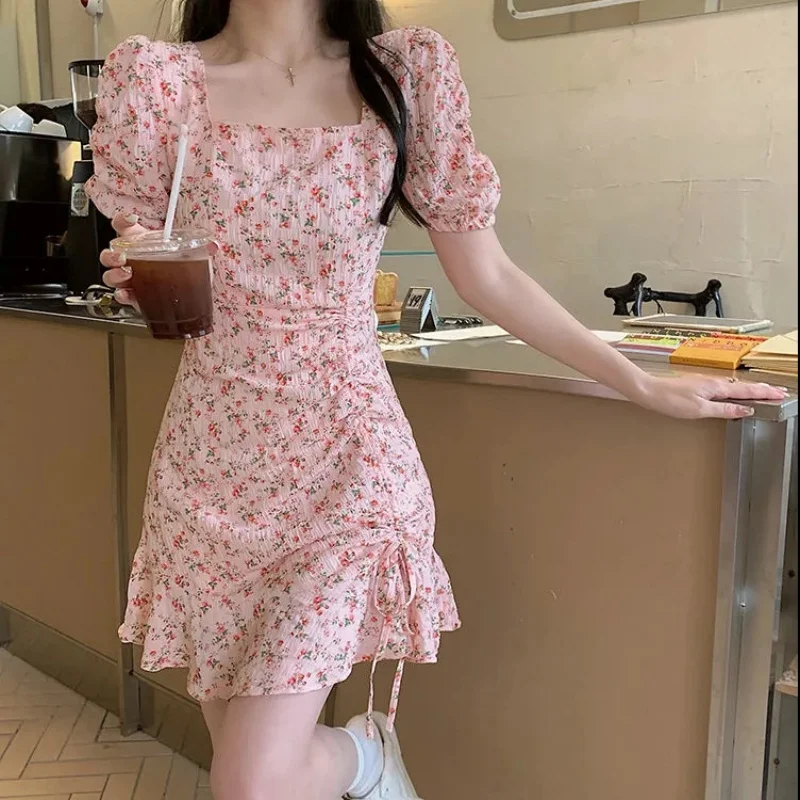
Even the most luxurious pink floral dresses can lose their elegance if fabrics are not cared for properly. Understanding appropriate cleaning methods, storage practices, and handling techniques is essential to preserve texture, color, and overall durability. Proper maintenance ensures that high-quality fabrics continue to look refined and perform well over time.
Washing Tips
Different fabrics require specific washing approaches to maintain integrity:
- Hand Wash Fabrics: Delicate materials such as chiffon, silk, and lace benefit from gentle hand washing with mild detergent. Avoid wringing or twisting to prevent stretching and fiber damage.
- Machine Washable Fabrics: Cotton and polyester blends can usually withstand machine washing, but using cold water and a gentle cycle reduces wear and color fading.
- Dry Clean Only Fabrics: Premium fabrics like silk, satin, and embroidered materials require professional dry cleaning to preserve structure, sheen, and intricate detailing. Following manufacturer care instructions is crucial to avoid permanent damage.
Shrink and Fade Resistance
High-quality fabrics are often treated to resist shrinkage and maintain color vibrancy. Nevertheless, attention to proper laundering techniques—such as cold water washes, gentle detergents, and avoiding prolonged exposure to sunlight—helps prevent fading, distortion, and premature wear. Fabrics that retain shape and color through repeated cleaning are clear indicators of superior craftsmanship.
Proper Storage
How a dress is stored significantly affects its longevity:
- Use padded hangers for delicate or structured dresses to prevent stretching and shoulder deformation.
- Fold delicate fabrics like chiffon or lace flat to avoid wrinkles and creases that can be difficult to remove.
- Protect from direct sunlight to preserve vibrant pink hues and prevent discoloration over time.
- Consider breathable garment bags for long-term storage, particularly for embroidered or layered dresses, to shield them from dust and environmental damage.
Meticulous care—including correct washing methods, attention to shrink and fade resistance, and proper storage—ensures that pink floral dresses maintain their elegance, color, and luxurious feel. Proper maintenance extends the life of high-quality fabrics, allowing dresses to look fresh and beautiful for years.
Tips for Buying High-Quality Pink Floral Dresses
Selecting a pink floral dress that combines beauty, comfort, and durability requires more than picking a pretty print. Understanding key factors in fabric composition, craftsmanship, and overall quality ensures that the dress not only looks elegant but also stands the test of time.
- Check Fabric Labels: Always review the fabric label to verify fiber content. High-quality dresses often feature 100% cotton, silk, or premium blends that enhance softness, breathability, and longevity. Labels can also provide insight into care requirements and the type of weave, which are important indicators of material quality.
- Compare Price vs. Fabric Quality: While price can serve as an initial guide, it should never be the sole determinant of quality. Assess the feel, texture, and drape of the fabric directly. A moderately priced dress with a well-constructed weave and soft, durable fibers may outperform an expensive dress made from low-grade materials. Evaluating tactile and structural characteristics ensures that the purchase delivers true value.
- Opt for Premium Fabrics: Investing in premium fabrics such as silk, chiffon, satin, or high-thread-count cotton often guarantees elegance, comfort, and long-lasting wear. These fabrics maintain their shape, resist fading, and complement the dress’s silhouette, providing a polished and luxurious appearance that lasts through multiple wears.
- Consider Ethical and Sustainable Fabrics: Eco-conscious consumers increasingly favor sustainably sourced fabrics. Choosing materials that are responsibly produced not only supports ethical practices but often correlates with superior craftsmanship. Fabrics made with sustainable methods typically exhibit careful attention to detail and higher quality finishing.
- Try Dresses On: Fit and drape are as crucial as fabric composition. Trying the dress on allows assessment of comfort, silhouette, and how the material interacts with body movement. Even high-quality fabrics can appear less flattering if the cut or drape does not suit the design or the wearer’s shape.
Careful evaluation of labels, price, fabric quality, sustainability, and fit ensures that every pink floral dress purchased meets both aesthetic and practical standards. Applying these considerations helps in selecting dresses that combine style, comfort, and durability for lasting wear.
FAQs – How To Spot High-Quality Fabrics In Pink Floral Dresses?
Selecting the right pink floral dress often raises practical questions about fabric types, care, and overall quality. The following frequently asked questions provide expert insights into making informed choices and maintaining high-quality fabrics.
How can real silk be distinguished from synthetic satin?
Real silk is soft, smooth, and slightly cool to the touch, with a subtle natural sheen that catches light elegantly. It is breathable and drapes fluidly, reflecting superior fiber quality. Synthetic satin, while visually similar, often feels slippery and less substantial. It lacks silk’s natural luster, breathability, and durability, making careful examination essential when evaluating fabric quality.
Can polyester dresses look luxurious?
Yes, carefully manufactured polyester blends can mimic the elegance of natural fabrics. High-quality polyester can feel soft, drapey, and structured, maintaining vibrant colors and resisting wrinkles. These blends offer durability, low maintenance, and affordability, making them a practical yet stylish choice for pink floral dresses when executed with quality craftsmanship.
Which fabrics are ideal for summer pink floral dresses?
Breathable and lightweight fabrics are best suited for warm weather. Cotton, linen, chiffon, and lightweight silk blends offer comfort, airflow, and softness, while maintaining the elegance and fluid movement of the dress. Fabrics that combine breathability with subtle structure ensure the dress retains its shape and aesthetic throughout the day.
How should delicate fabrics like chiffon and organza be maintained?
Proper care is crucial for longevity. Hand washing or professional dry cleaning prevents damage to the fibers. Avoid wringing or twisting, and handle folds gently. Store by folding flat or hanging on padded hangers to preserve shape, and protect from direct sunlight to maintain color vibrancy. Following these guidelines ensures delicate fabrics remain soft, structured, and visually appealing over time
Conclusion
Choosing a pink floral dress isn’t just about the style or print—it’s also about fabric quality. By understanding different fabric types, checking texture, weight, and color retention, testing drape and stretch, and following proper care guidelines, you can confidently select dresses that look beautiful, feel comfortable, and last longer.
With the tips provided by Petalia, you now know exactly how to spot high-quality fabrics in pink floral dresses. Remember, investing time in checking fabric quality ensures that your dress will remain a favorite in your wardrobe for years to come, whether it’s for casual wear, a spring picnic, or an elegant evening event. Choosing the right fabric means enjoying comfort, durability, and effortless style every time you wear your pink floral dress.